If everything is relative, South Africa too can have an east and a west, while immersed in the deep south of a continent that has nothing else under it except, thousands of kilometers away, the eternal ice of Antarctica.
And to the east is the province of the East Cape, 170,000 square kilometers gathered around Port Elizabeth the capital that the frenzy of turbo tourism has left a bit on the sidelines, thanks to the unpleasant air of apartheid that has been breathed in those parts for a few decades.
A real shame, because if men had understood before that the division into races is nonsense sesquipedal, South Africa, and that specific area of the country, would have known a much more prosperous destiny. This is why the East Cape is forced to deal with the darkest years of human history and to retrace those moments in search of testimonies that allow once and for all to really say “never again”.
In fact, it is from East London that the “Mandela Childhood Tour” starts, an itinerary that touches the symbolic places of the life and works of that Nelson Mandela who forever changed the destinies of his country, up to the village of Mveso, a remote agglomeration of houses where he was born, and Qunu, where the hero of South Africa grew up: here is the tomb where he has been buried since 2015, here is the Mandela Museum, dedicated to his exploits, not so much a place of celebration as a real center of studies on the events linked to the sad phenomenon of apartheid.
In Howick, on the other hand, it is possible to admire the monument that commemorates the place where the young Mandela was arrested for the first time in 1962; while going as far as Alice you can retrace the places in which he attended law courses at the University of Fort Hare for becoming a lawyer.

To relive the sensations of his most difficult moments, however, it is necessary to move to other provinces, to Soweto, where he experienced the toughest clashes, to Pretoria, where the Freedom Park is located, but above all to Cape Town, home to the maximum security prison in which spent 20 years of his life.

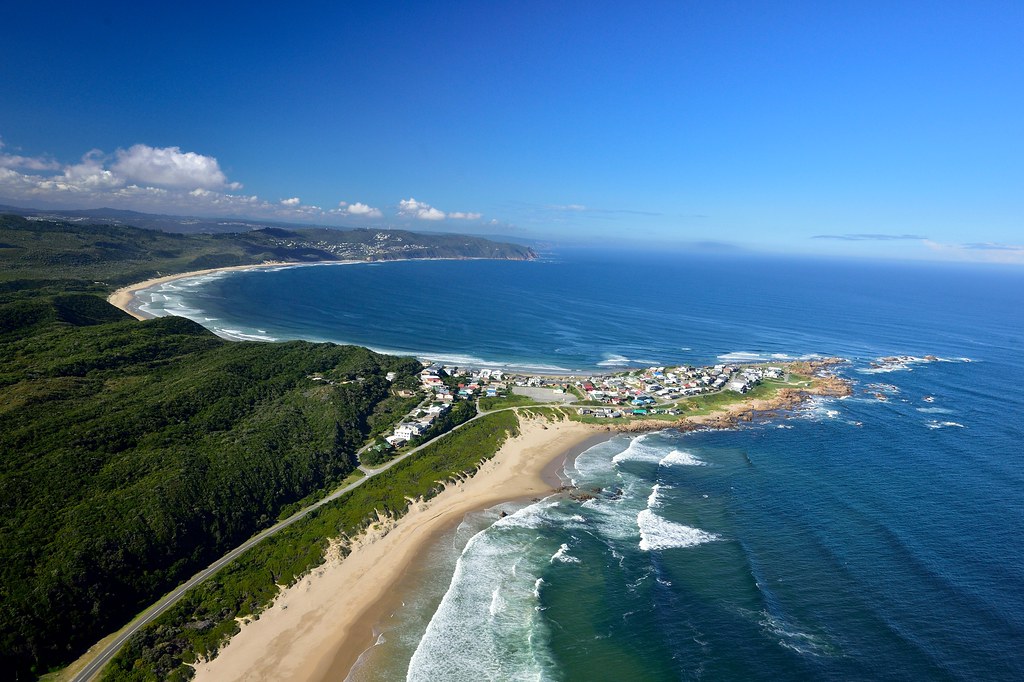
Remaining instead in the East Cape, it is possible to take another leap into one of the key moments in the history of humanity: it is the Nahoon Point Reserve, one of the most naturalistically beautiful places in the entire African continent, overlooking the Indian Ocean is characterized by a landscape made up of paths and wooden bridges that cross forests, coastal dunes, pristine bays, but which above all can count on a place like Bat’s Cave.
Here in 1964 two workers who entered to rest for a while discovered human and animal footprints imprinted on the vault of the cave: they were ancient fossils corresponding to the footprints of a child, those of two antelopes and a bird, dating back to 124 thousand years ago. They are still the oldest human footprints found on our planet, a testimony that makes this territory a true compendium of the history of being that more than any other has given its imprint to the place where it lives.