Like culture, Bosnian cuisine over the centuries has been influenced by both the East and the West. Many dishes recall Turkish flavors (the Ottoman rule in Bosnia lasted about 500 years), while others are exquisitely Central European (from 1878 to 1918 the country was under the Austro-Hungarian administration).
Sarajevo, the capital, is the place where you have the opportunity to taste the best proposals of both, thanks to the wide choice of traditional restaurants and clubs such as, among others, Inat Kuća, Dženita or Sarajevska Pivara (historic Sarajevo brewery). And even if the Balkan country is renowned for being a favorite destination for meat lovers, there is no shortage of interesting vegetarian options. Furthermore, it cannot be said that you have really been in Bosnia without having drunk a traditional Bosnian coffee (bosanska kahva), not to be confused with the Turkish one, as the Bosnians are keen to point out. Its preparation is a real ritual: the finely ground coffee powder is poured, together with hot water, into the džezva where it is brought to a boil and then served in the characteristic cups, accompanied by sugar cubes and, often, by lokum , a tasty dessert of Ottoman origin made with sugar and rose water.
10 typical dishes not to miss in Bosnia and Herzegovina
Ćevapi

Tiny, hand-rolled minced meat sausages commonly made with ground beef seasoned with a mix of different spices (usually garlic, salt, black pepper, and sometimes paprika or hot red pepper flakes). After they have mellowed for a couple of hours, ćevapi are barbecued over charcoal.
Burek
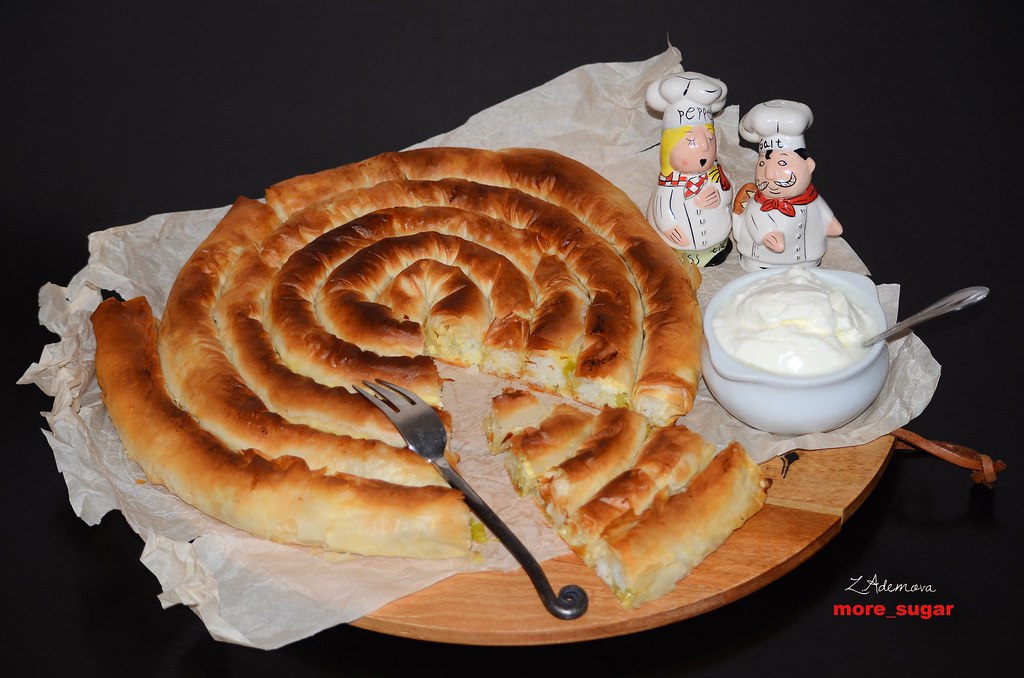
Phyllo dough stuffed with various savory fillings and baked rolled into a snail-like shape.
Sarma

A filling that is snugly surrounded by leaves or leafy vegetables: the mixture typically combines ingredients such as minced meat, rice or bulgur, various herbs, seasonings, red pepper, paprika, ground sumac, or tomato sauce, while the typical wrapping usually includes vine, cabbage, or sauerkraut leaves.
Japrak

A dish consisting of a minced meat filling that is wrapped in blanched leaves of raštika, a local variety of leaf cabbage.
Bosanski lonac

A traditional, flavorful stew consisting of layers of large and chunky pieces of meat and vegetables that are covered with water and slowly simmered in a big pot.
Sarajevski ćevapi

Meat rolls made with ground beef, salt, and pepper, or a combination of ground beef and mutton.
Buranija

Stew consisting of Romano beans and chunks of veal as its main ingredients. The stew is typically flavored with salt, paprika, pepper, and bay leaves, with additional ingredients such as onions, garlic, carrots, or potatoes.
Zeljanica

Thinly rolled phyllo dough that is filled with a combination of blanched spinach, fresh cow cheese, cream, and eggs. The dough is rolled into a thin sheet called jufka, which is then sprinkled with the filling and shaped into a coil.
Kadaif

A dessert that couples shredded kadayıf dough and a rich nut filling, which usually consists of chopped walnuts. When baked, is then doused in a thick lemon-flavored syrup.
Ruske kape (šubarice)

Dessert with a base made with eggs, sugar, flour, and baking powder and traditionally filled with vanilla custard, or chocolate and covered with chocolate, and the whole concoction is rolled in desiccated coconut on the sides.
Smokvara
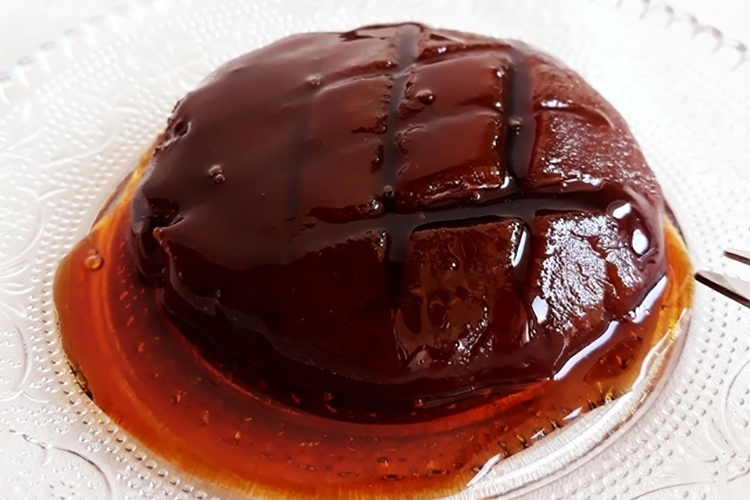
Traditional dessert prepared with a dark-brown dough consisting of fig pekmez (a thick syrup-like product), wheat and cornflour, sugar, oil, and water. The dough is shaped into flat disks that are then baked before they are doused in a variety of sherbet that combines pekmez, sugar, and water.
Tufahija

A dessert made from apples that are stewed in water and sugar, stuffed with an almond or walnut cream filling, then shortly baked and doused in sugar syrup.
Bosanska kahva

Bosnian coffee prepared with roasted coffee beans that are finely ground and boiled in a traditional long-handled cezve.